Hernia mesh litigation
Lawsuits allege that defectively designed polypropylene hernia mesh degrades, migrates, and adheres to internal tissue, forcing thousands of patients into revision surgery.
Accepting cases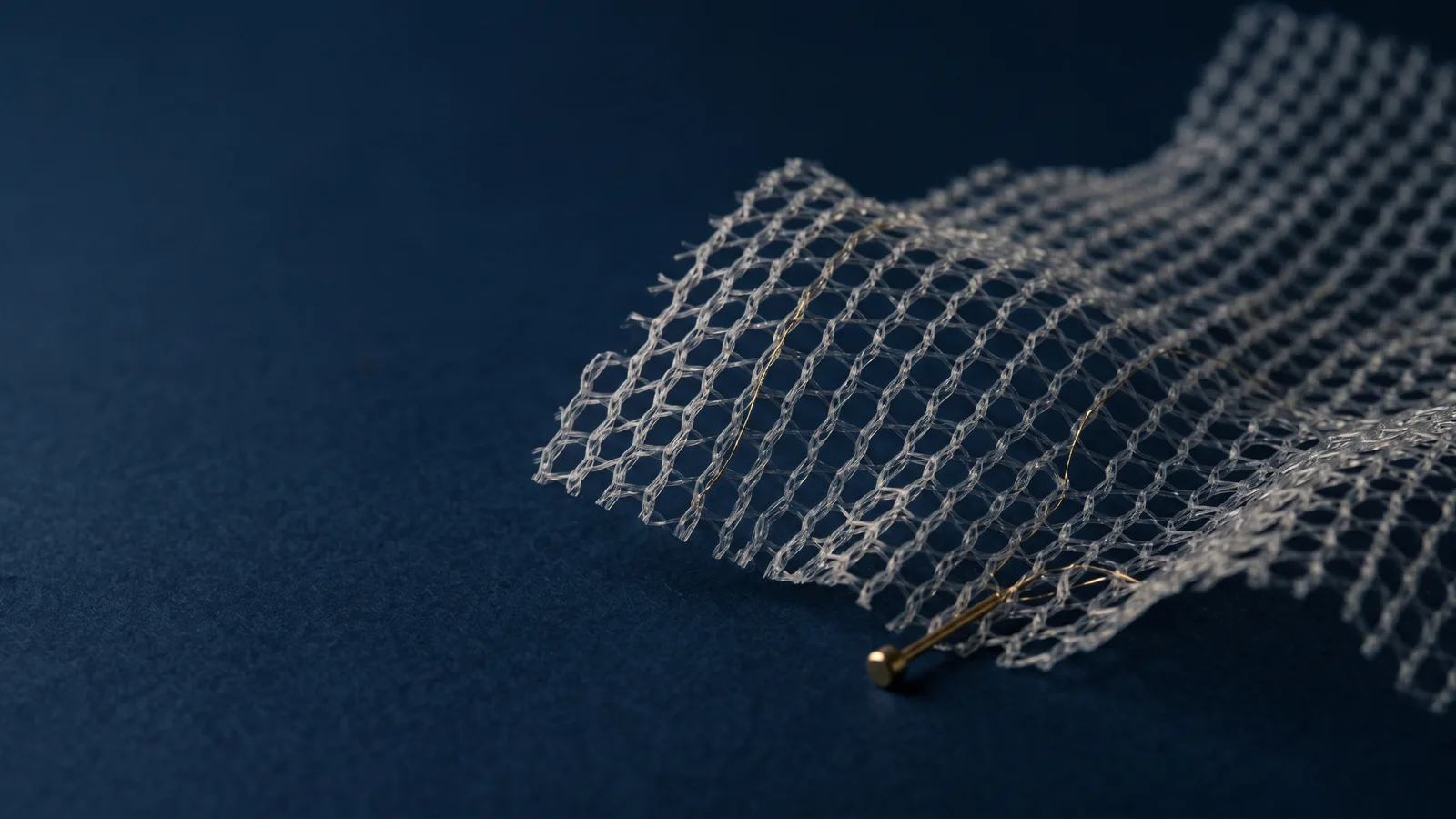
What the lawsuits allege
Hernia repair is one of the most common surgeries in the country, and most repairs use mesh. The litigation alleges that certain mesh designs, including multi-layer and coated products, were brought to market through abbreviated clearance processes and failed at unacceptable rates: degrading inside the body, contracting, and attaching to organs.
Multiple manufacturers face coordinated litigation. Which products and injury types qualify changes over time, so a current case review matters.
Injuries named in the litigation
- Chronic pain at the repair site
- Mesh migration or shrinkage
- Adhesion to bowel or other organs
- Infection and seroma
- Hernia recurrence and revision surgery
Who may qualify
If you had hernia repair with mesh and later needed revision surgery, or suffered chronic pain, infection, obstruction, or mesh migration, you may have a claim. The review is free and confidential, and we will give you an honest answer either way. You pay attorney's fees only if we recover for you.
Call (888) 391‑1315 or use the form for a free, confidential review. You pay attorney's fees only if we recover for you.